
Vietnam · Sa Pa and the rice terraces
Sa Pa and the rice terraces: mist, the Hoàng Liên Sơn range and the rice seasons
Sa Pa sits at an altitude of about 1,600 metres in the Hoàng Liên Sơn range, where morning mist often fills the valley. What many people remember most is not the town but the terraced rice fields curving along the mountainsides.
Scenery
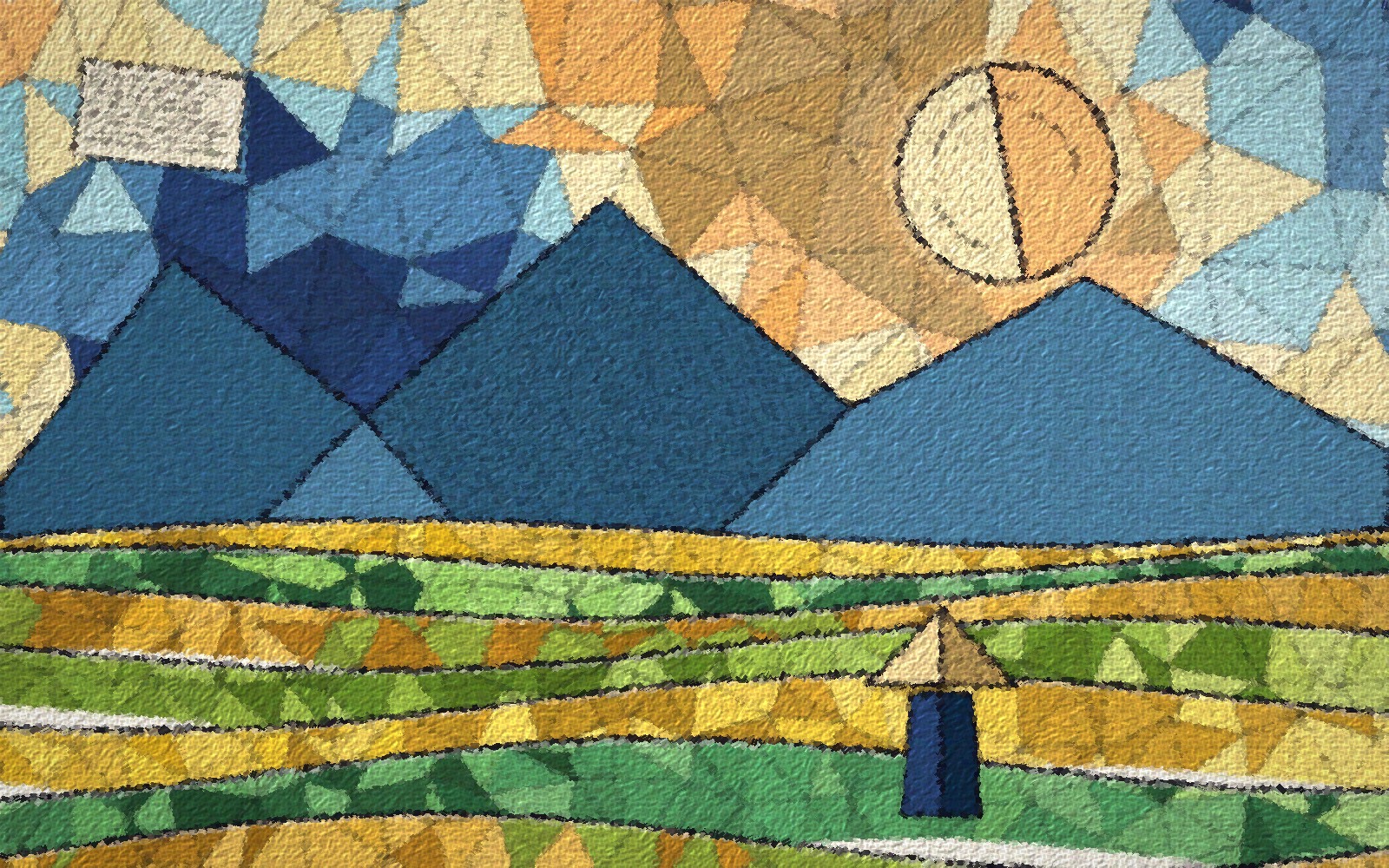
The Mường Hoa valley lies between the Fansipan range and the town, and is famous for its rice terraces. The fields hug the hillsides tier after tier, changing colour with the seasons and with the way the villagers farm.
At the start of the season, from about May to June, water is channelled into the fields and the surface reflects the sky. In summer the young rice covers the slopes in fresh green. From August to October the fields ripen to gold, and the best time to see the rice ripe is usually late August to early September. After the harvest the fields are left with stubble, still beautiful in their own way but with less colour.
Fansipan is about 3,147 metres high, the tallest peak in Vietnam, and lies about 9 km south-west of the town. The cable car, opened in February 2016, takes visitors close to the summit in about 20 minutes. Mornings are often misty and the mist usually clears by mid-morning, so if you want clear skies, allow more than one day.
History and cultural value
In 1903 a party of French people arrived in the area and called it Lo Suoi Tung. The cool climate and scenery led it to be developed as a hill station, and by 1920 there were nearly 300 villas used as summer retreats. Sa Pa opened to international visitors in 1993. Visitor numbers rose from 4,860 in 1995 to 138,622 in 2003, and passed 2 million in 2022.
The rice terraces are not decorative scenery. They are how mountain people grow rice on steep slopes, built over many generations, for hundreds of years, by communities such as the H'Mông, Dao and Giáy (according to some sources). Every plot is the result of the work of building banks, channelling water and holding the soil.
People
Ethnic minorities make up most of Sa Pa's population. By estimate, the H'Mông make up about 52%, the Dao about 25%, the Tày about 5%, the Giáy about 2%, and the Kinh about 15%, mostly in the town centre. Each group has its own language, dress and customs.
Villages such as Cát Cát (about 2 km from the town), Tả Phìn (about 12 km), and Tả Van and Lao Chải in the Mường Hoa valley are places visitors often stop. When you visit, remember that these are places where people live and work, not museums.
In harvest season, some H'Mông, Dao and Tày communities hold festivals tied to the harvest, which may end with a shared meal. Visitors can watch, but should ask first and behave respectfully.
Famous foods
- Thắng cố: a stew of several kinds of meat and offal, associated with the highland markets of the H'Mông people.
- Thịt lợn cắp nách (“under-the-arm” pork): small free-range pigs, usually roasted or grilled, with fragrant meat and crisp skin.
- Salmon and sturgeon: farmed in cold mountain water, often eaten in hotpot or grilled.
- Cơm lam (rice cooked in bamboo): glutinous rice cooked in bamboo tubes over coals, with the scent of bamboo.
- Grilled eggs, corn and sweet potato: small snacks eaten right by the roadside in the cool air.
This section is based on dishes commonly recommended in Sa Pa. Dishes and prices vary from place to place, so ask before you order.
When to go and what to know
- Season: the wet season runs from May to September, sometimes with short afternoon showers. In September, daytime temperatures are about 18 to 25 degrees and nights around 15 degrees. To see golden ripe rice, go from late August to October, and to see the fields full of water, go in May to June.
- Getting there: Sa Pa is about 250 km from Hà Nội. You can take the train from Hà Nội to Lào Cai and then travel about an hour by road up to Sa Pa.
- Bring warm clothes and a raincoat, because mountain weather changes quickly and mornings are often misty.
- Ask permission before photographing people, and don't walk into the fields, as it damages their banks.
- When buying handicrafts, bargain gently, and buy directly from the maker if you can.
Want to visit this place with your family?
We plan a private itinerary around your group and ages and quote one all-inclusive price by email.