
Australia · The Twelve Apostles and the Great Ocean Road
The Twelve Apostles and the Great Ocean Road: a coastal road built by returned soldiers
The road that hugs the edge of the sea from Torquay to Allansford is both a beautiful drive and a war memorial. Its most famous stop is the Twelve Apostles, limestone stacks standing alone out in the surf.
Scenery
The Great Ocean Road is about 240 km long, running between limestone cliffs, temperate rainforest, long beaches and waves famous among surfers. In places the road hugs the coast, and in others it climbs into the Otways, where the trees are tall and morning mist is common.
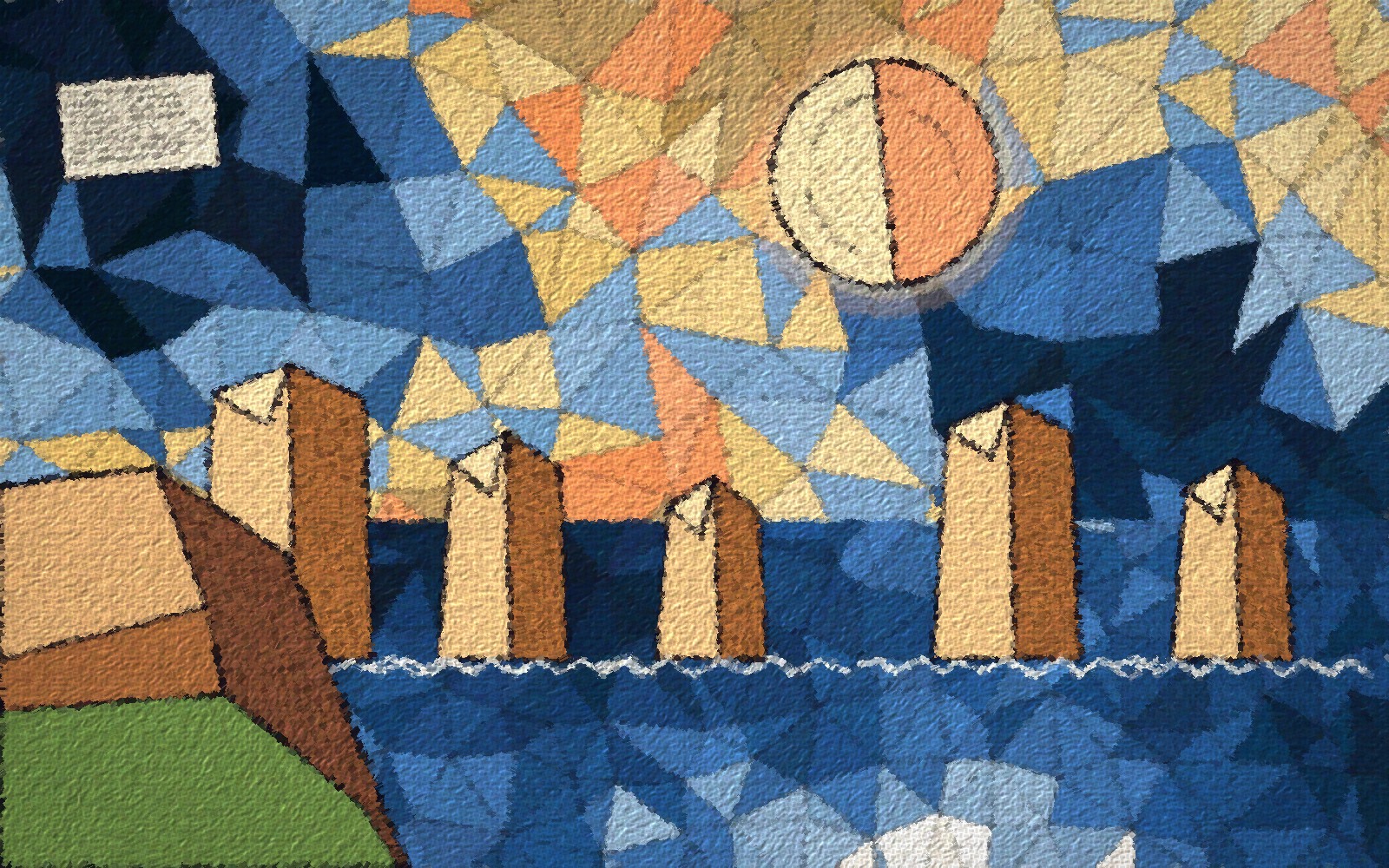
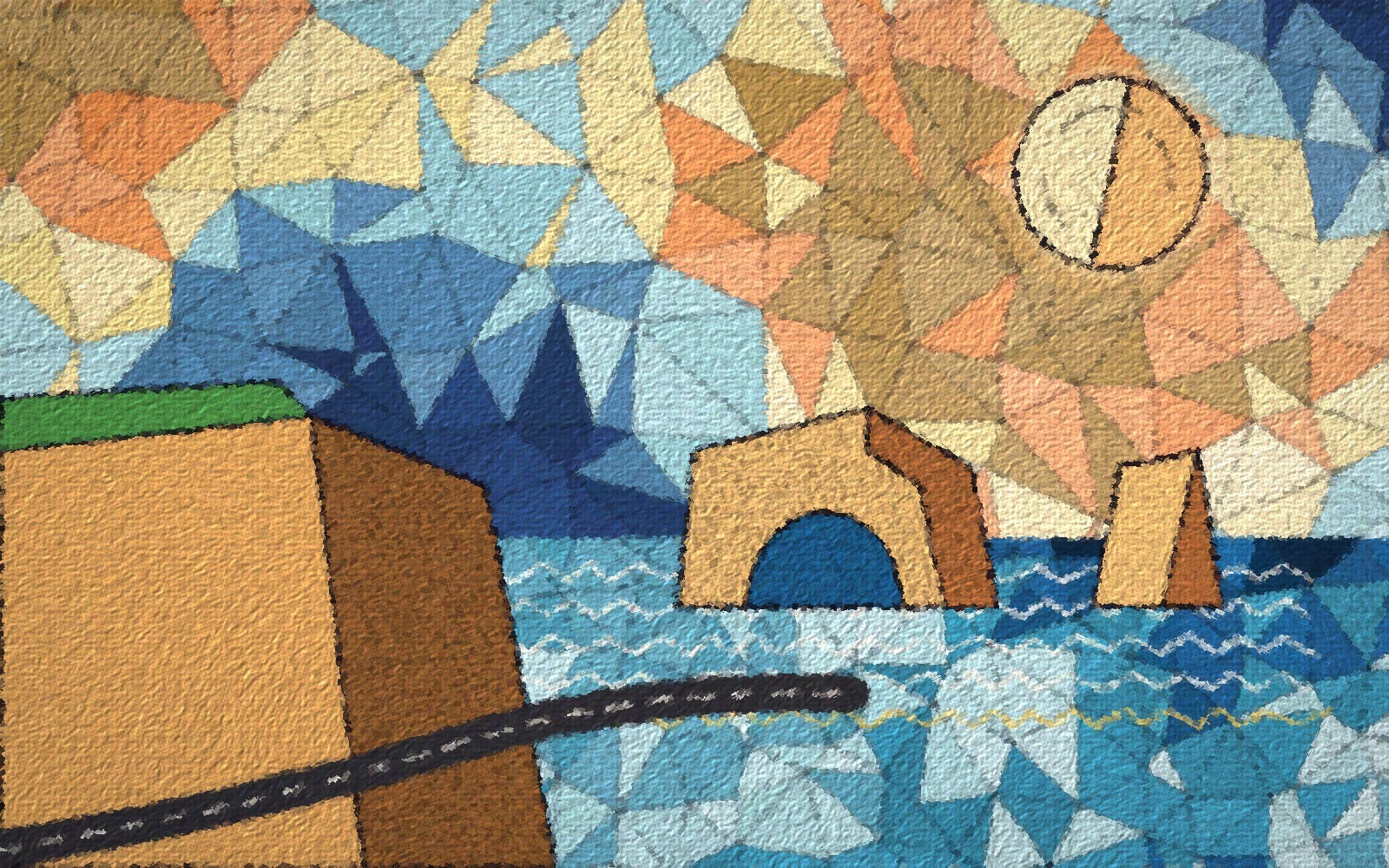
In Port Campbell National Park, stacks up to about 50 metres high stand apart from the cliffs. Waves and wind wear away the soft limestone, gradually forming caves, then arches, then freestanding stacks. That is why the scene here is never still.
The best light is at sunset, when the cliffs turn the colour of honey and the crowd on the viewing platform falls quiet for a moment. Early morning is quieter and easier for photos.
History and cultural value
Construction began on 19 September 1919 and finished in 1932, carried out largely by hand by about 3,000 soldiers returning from the First World War. It is a memorial to those who died in the war, and is regarded as the largest war memorial in the world. In 2011 the road was added to Australia's National Heritage List.
As for the name, the place was once called the Pinnacles, then the Sow and Piglets, before being renamed the Twelve Apostles to attract tourists. In fact there were never twelve stacks, only nine. In 2005 one stack about 50 metres high collapsed, and in 2009 another one fell, so seven remain today.
This land belongs to Aboriginal communities. Sources describe them differently, but they commonly mention the Wadawurrung, Eastern Maar and Gunditjmara peoples. In March 2023 the Federal Court recognised the Eastern Maar people as the traditional owners of an 8,578 km² area of south-western Victoria, which includes the Twelve Apostles. The Victorian Government has also introduced new Great Ocean Road legislation, in effect since 1 December 2020, to increase the role of traditional owners in managing the area.
People
Along the road are small towns such as Torquay, Lorne and Apollo Bay. Torquay is the gateway for the surfing crowd, Lorne has an artistic feel, and Apollo Bay is a familiar rest stop halfway along. Many locals make a living from tourism, fishing and farming in the surrounding area.
This coast is also known as the Shipwreck Coast because many ships were wrecked here, and the museums and information boards along the way tell those stories.
Aboriginal communities are telling their own stories too. A new $126 million visitor centre called Keerray Woorroong has been reported in the local press as a new project at the Twelve Apostles, with its content shaped by the Eastern Maar people. You should check opening details and book ahead before you go.
Famous foods
This is farming and seafood country, so the best food is usually simple and fresh:
- Crayfish (rock lobster): a famous seafood along the Southern Ocean coast, eaten in the seaside towns.
- Fish and chips: eating them right on the beach at Apollo Bay or Lorne is best.
- Local cheese and milk: the hills behind Port Campbell have plenty of dairy farms.
- Meat pies: often bought from a small bakery in town to eat along the way.
- Coffee and pastries: the little roadside cafes are a pleasant place to rest between stretches of driving.
When to go and what to know
- Season: summer is sunny and busy, autumn and spring are milder, and winter brings big seas and wind and rain, which is dramatic scenery but a slippery road.
- Time: from Melbourne to Torquay takes about 90 minutes. The Twelve Apostles are much further, usually more than four hours one way without stops. Consider staying a night so you don't have to rush the drive.
- The road has many bends, so drive slowly, give way to others and don't stop suddenly for photos. Keep an eye on bushfire and road closure information on VicEmergency and VicTraffic.
- Keep back from the cliff edge, because limestone can crumble. Stay on the fenced paths only.
- Don't litter, don't take rocks or shells, and follow the signs at places of cultural significance to Aboriginal people.
Want to visit this place with your family?
We plan a private itinerary around your group and ages and quote one all-inclusive price by email.