

Vietnam · Hội An Ancient Town
Hội An Ancient Town: an old trading port on the Thu Bồn River
Hội An is not large, and you can walk the whole old town in a morning. But it deserves a longer stay, because every timber house and every moss-covered tiled roof is a layer of history from what was once one of the busiest trading ports in Southeast Asia.
Scenery
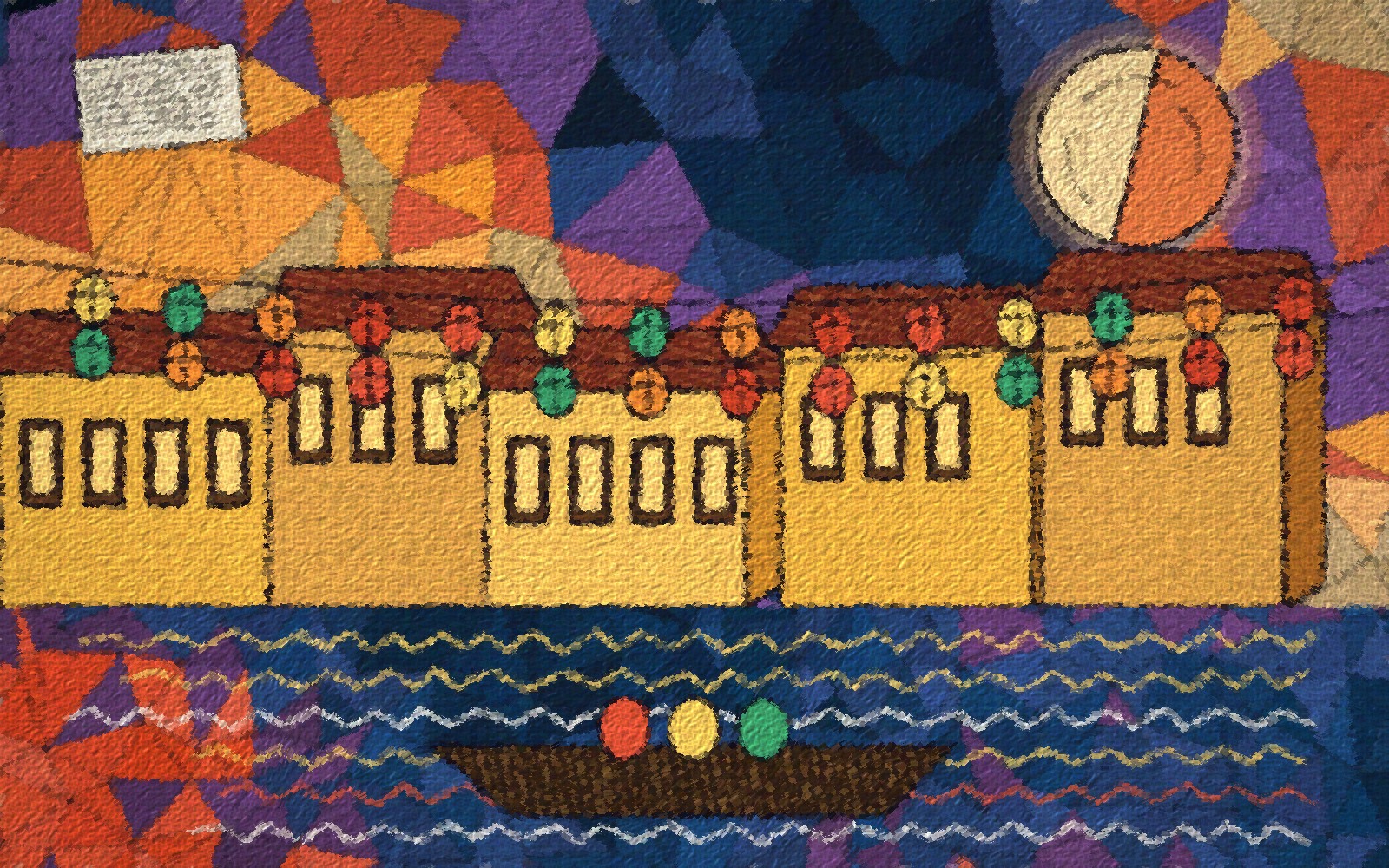
Hội An Ancient Town lies near the mouth of the Thu Bồn River, in the former Quảng Nam province. Timber houses with tiled roofs stand shoulder to shoulder along narrow streets, their fronts facing the road and their backs opening onto the river for unloading goods from boats. Yellow walls, wooden doors and lanterns of every colour create a street scene all of its own.
It is loveliest in the early morning, before the streets fill up, or at dusk, when the lanterns are lit and the Hoài River sparkles. On the full moon of the lunar calendar the town holds a lantern festival night, and many parts of the old town are reserved for pedestrians.
History and cultural value
This region was part of the Champa kingdom from around the early 2nd century, and was an important stop on the maritime Silk Road. Traces from that time remain in the port, the wharves, the ancient wells and the Trảng Sỏi archaeological site.
From the 15th to the 19th century, Hội An was a small port with wide-reaching trade with Southeast Asia, East Asia and beyond. Japanese and Chinese merchants came to trade and settle, and left the biggest mark. The Japanese Bridge, or Chùa Cầu, is a timber bridge about 10 metres long, built by the Japanese in the early 17th century with a small temple roof over it. Five Chinese assembly halls in traditional style are scattered through the town.
By the 19th century the port declined as the river silted up. That very decline preserved the old look of the town. In 1999 UNESCO inscribed Hội An Ancient Town as a World Heritage Site. The heritage area covers 30 hectares and contains about 1,107 timber-frame buildings: houses, shops, temples and ancestral halls.
People
The people of Hội An have a tradition of trade and craft. Tailoring is the most prominent today: you choose fabric, agree a price, get measured and come back for a fitting, and you usually collect your clothes after about two days. Lantern making, pottery and weaving are also kept alive in many families.
Locals still live in the old houses and open small shops on the ground floor. Some houses are open for visitors, but they are also people's homes, so keep your voice down and don't walk into private areas.
Because the town sits right by the river, floodwater in the wet season is a familiar event.
Famous foods
- Cao lầu: chewy, light brown-yellow noodles made from rice soaked in ash water, served with sliced roast pork (xá xíu), fresh herbs and a little broth. Legend says the water must come from the ancient Bá Lễ well in Hội An, so the dish rarely tastes quite right anywhere else.
- Mì Quảng: wide flat noodles with a small amount of rich, turmeric-flavoured broth, served with prawns, pork or chicken, peanuts and sesame rice crackers. It comes from Quảng Nam and Đà Nẵng, and was recognised as national intangible cultural heritage in August 2024.
- Cơm gà Hội An (Hội An chicken rice): yellow rice cooked in chicken stock, served with shredded chicken, onion and Vietnamese coriander.
- Bánh bao bánh vạc (white rose dumplings): thin steamed dumplings filled with prawn, arranged like petals and dipped in sweet fish sauce.
- Bánh mì: a crisp baguette filled with meat, pâté and herbs, a breakfast many visitors mention in Hội An.
When to go and what to know
- Season: the best time is usually February to April, when it is dry and pleasant. The wet season runs from September to January, and sometimes floodwater covers the old town.
- Getting there: from Đà Nẵng airport to Hội An takes about an hour by taxi or bus.
- Entry tickets: the old town ticket costs about 120,000 dong per person and gives entry to five heritage sites (the price may change over time). You need this ticket to cross the Japanese Bridge and enter the Quan Công Temple.
- Order tailor-made clothes on your first day so there is time for adjustments. Bring reference photos to make it easier to explain what you want.
- Keep quiet in the old houses and temples, dress modestly when entering places of worship, and ask permission before photographing locals.

Want to visit this place with your family?
We plan a private itinerary around your group and ages and quote one all-inclusive price by email.