
Australia · Sydney Opera House and Sydney Harbour Bridge
Sydney Opera House and Sydney Harbour Bridge: two icons on one harbour
Stand at the water's edge at Circular Quay and you can see, all at once, a roof as white as billowing sails and a steel span arching across the harbour. Together they are practically Australia's calling card, and both are worth a long, slow look rather than a quick photo and a move on.
Scenery
The Opera House sits on Bennelong Point, between Sydney Cove and Farm Cove. Its roof is made of interlocking concrete shells covered in more than a million tiles, some glossy white and some matte cream. That is why the roof changes colour with the light: bright white at midday, shifting to pink and gold in the late afternoon.
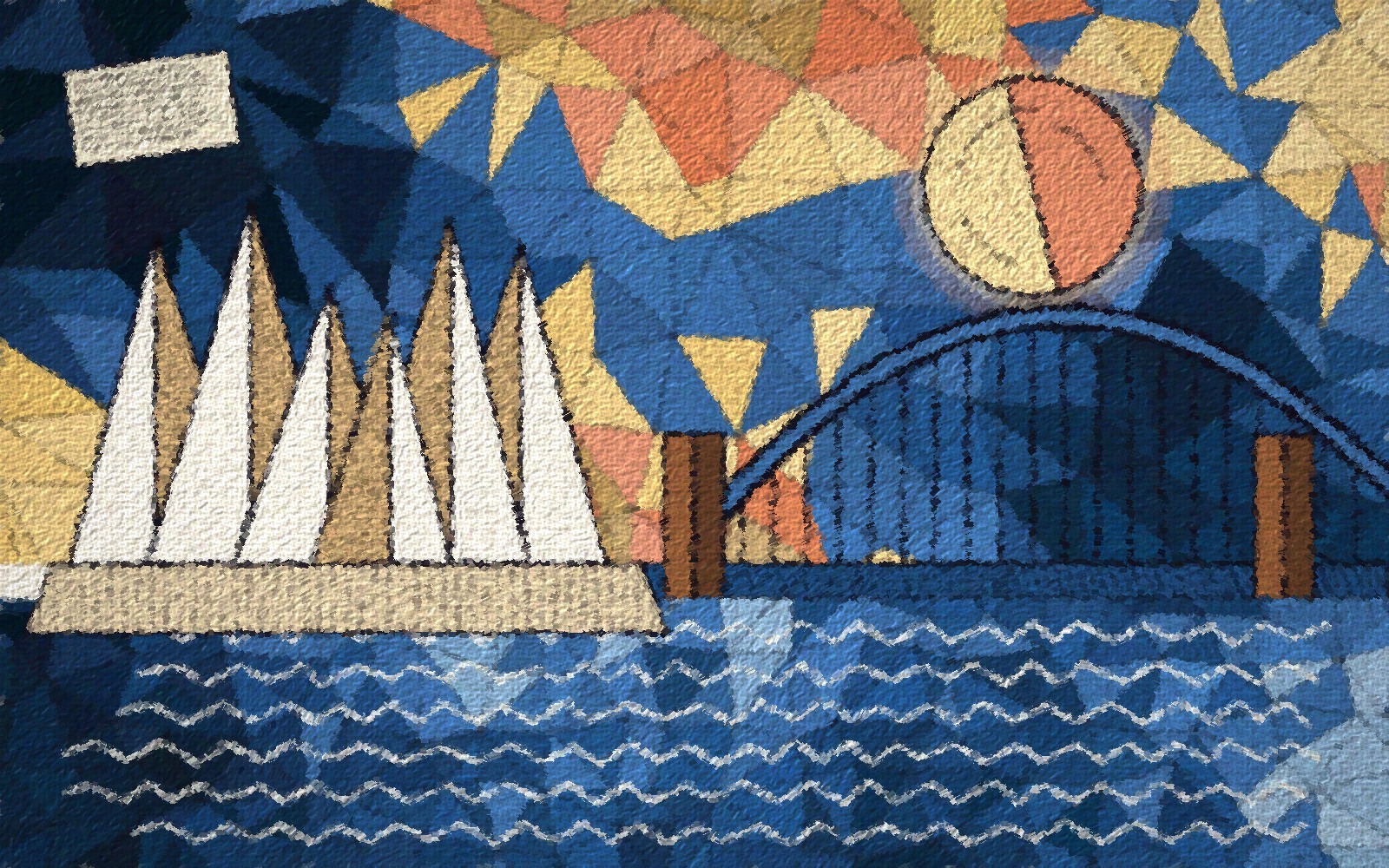
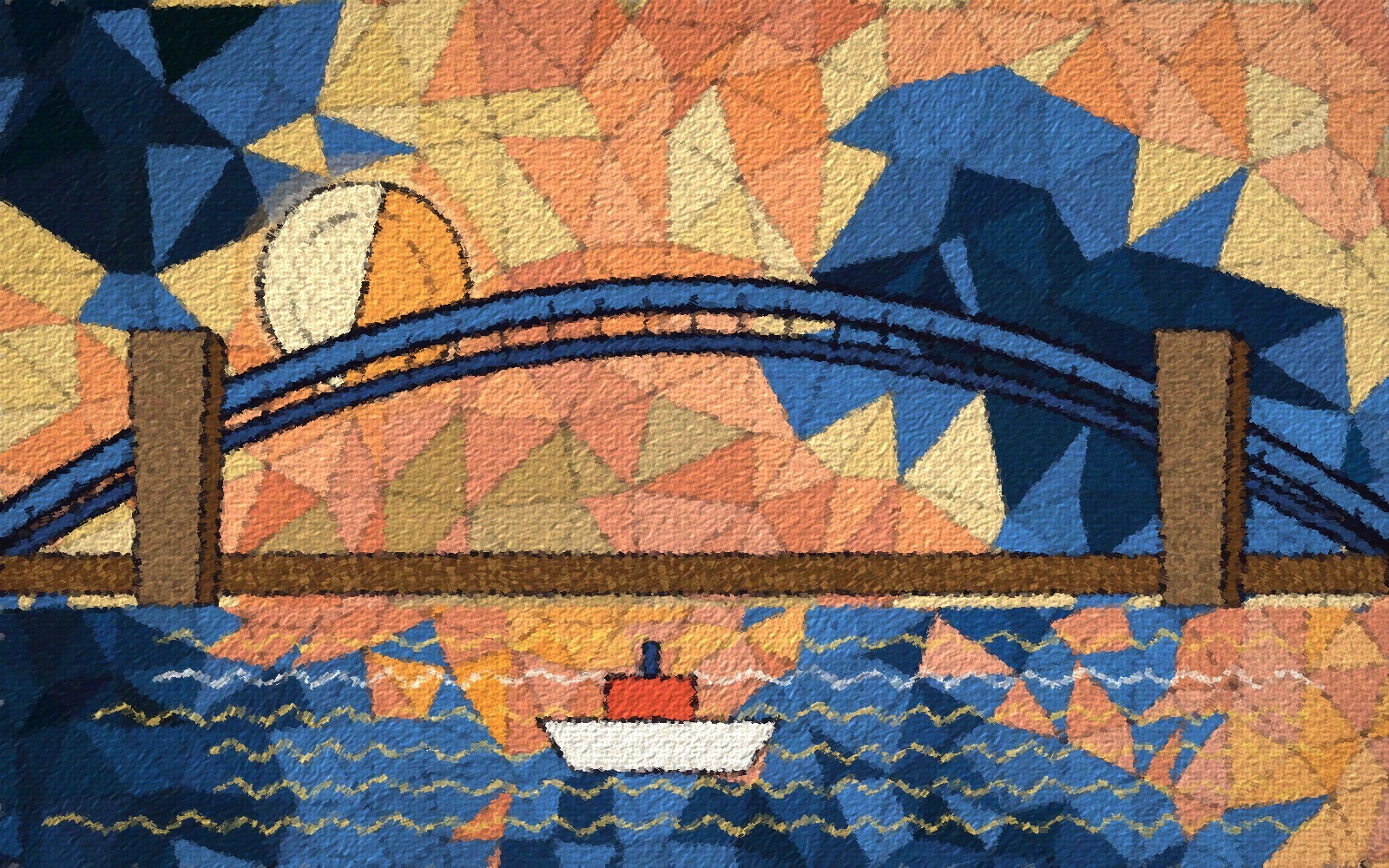
The Harbour Bridge is the tougher of the two. Its steel arch rises about 134 metres from the top of the arch to the water, which is why Sydneysiders affectionately call it “the Coathanger”. From Kirribilli or Milsons Point you can see both the bridge and the Opera House in the same frame.
The best light is usually at sunrise and sunset, when the water is calm and the colours of the sky reflect off the Opera House roof. At night both are lit up, and the bridge is part of Sydney's New Year's Eve fireworks.
History and cultural value
Before the Opera House, this headland belonged to the Gadigal people of the Eora nation. They called the place Dubbagullee. The name Bennelong comes from Woollarawarre Bennelong, an Aboriginal man who acted as a go-between for his people and the British, and for whom a brick hut was built here in the early 1790s. The site later became Fort Macquarie, then a tram depot, which was demolished in 1958.
The Opera House design was chosen in 1957 after an international competition, and its architect was the Danish designer Jørn Utzon. Construction began in 1959. Utzon left the project in 1966, and a team of Australian architects led by Peter Hall finished the job. Queen Elizabeth II opened it on 20 October 1973. In 2007 UNESCO added it to the World Heritage List.
The Harbour Bridge has an earlier history. Work began in July 1923 and the bridge opened on 19 March 1932. It is about 1,149 metres long, with a main span of about 503 metres. Around six million rivets were driven in by hand, the last one in January 1932. Since 1998, visitors have been able to climb the southern half of the arch on a guided tour, which takes about three and a half hours.
People
Today the Opera House is a genuine working venue, not just something to look at. It stages more than 1,800 performances a year for over 1.4 million people, from symphony orchestras and opera to theatre and children's shows. About 350,000 people a year take a guided tour.
For Sydneysiders, the Quay and the harbour are part of daily life: commuters on the ferries, joggers in the morning, families eating lunch on the steps. For many families with visitors from Vietnam, a photo in front of the Opera House is the first stop of the trip.
Famous foods
Sydney has no single national dish, but a few things around the harbour are well worth trying:
- Sydney rock oysters: the native oyster of the New South Wales coast, firm-fleshed with a clean, salty flavour, usually eaten raw with a squeeze of lemon.
- Fish and chips: the classic seaside meal, best eaten right at the water's edge.
- Meat pies: a popular fast food all over Australia, hot and filling.
- Grilled seafood: prawns, squid and fish grilled at the restaurants along the harbour.
- Coffee and pastries: the small cafes around The Rocks and Circular Quay are perfect for a light breakfast.
When to go and what to know
- Sydney is easy to visit all year round. Spring and autumn are usually the most comfortable seasons for walking around the harbour.
- Book the tour inside the Opera House and the bridge climb ahead of time, especially during holidays.
- 31 December is extremely crowded. If you want to see the fireworks, arrive early and be ready to walk a lot.
- The most relaxed way to see both is to take a ferry from Circular Quay: you see the landmarks from the water without queuing.
- This is Gadigal country. Please keep it clean and respect the signs about Aboriginal history along the walkways.
Want to visit this place with your family?
We plan a private itinerary around your group and ages and quote one all-inclusive price by email.